Current angular-based navigational aids do not meet the requirements of Performance-Based Navigation concept due to high errors of positioning. A new approach with the usage of multiple VOR/VORs has been represented. An approach is based on a usage of a linear regression model for VOR (VHF Omnidirectional Range) data extrapolation. The optimal pair of VORs accompanied with predicted VORs data from available ground stations are proposed to use in navigation equations to detect aircraft location. The represented approach doesn’t require any changes in equipment besides software updating. Performance analysis grounded on dilution of the precision coefficient for multiple VOR locations was done. An approach was verified with the help of ADS-B data and decreasing in total system error was reached due to multi VOR approach implementation.
View at Publisher page (67)
Language:
English
Type
Refereed Journal Publications
Firstpage Number
1399
Lastpage Number
1412
Keywords
very high frequency omnidirectional range, linear regression, spline function, navigation, positioning, accuracy, total system error, aircraft
Ostroumov I.V., Kuzmenko N.S.Accuracy improvement of VOR/VOR navigation with angle extrapolation by linear regression. Telecommunications and Radio Engineering. . № 78(15). P. 1399-1412 DOI: 10.1615/TelecomRadEng.v78.i15.90 .
IEEE
I.V. Ostroumov and N.S. Kuzmenko, "Accuracy improvement of VOR/VOR navigation with angle extrapolation by linear regression," in Telecommunications and Radio Engineering, vol. 78, issue 15, , pp. 1399-1412 , doi:10.1615/TelecomRadEng.v78.i15.90.
Harvard
Ostroumov I.V., and Kuzmenko N.S., 2019. Accuracy improvement of VOR/VOR navigation with angle extrapolation by linear regression. In Telecommunications and Radio Engineering, 78(15) (pp. 1399-1412).
Springer
Ostroumov, I.V., Kuzmenko, N.S.: Accuracy improvement of VOR/VOR navigation with angle extrapolation by linear regression. Telecommunications and Radio Engineering 78(15), 1399-1412 (2019). doi:10.1615/TelecomRadEng.v78.i15.90.



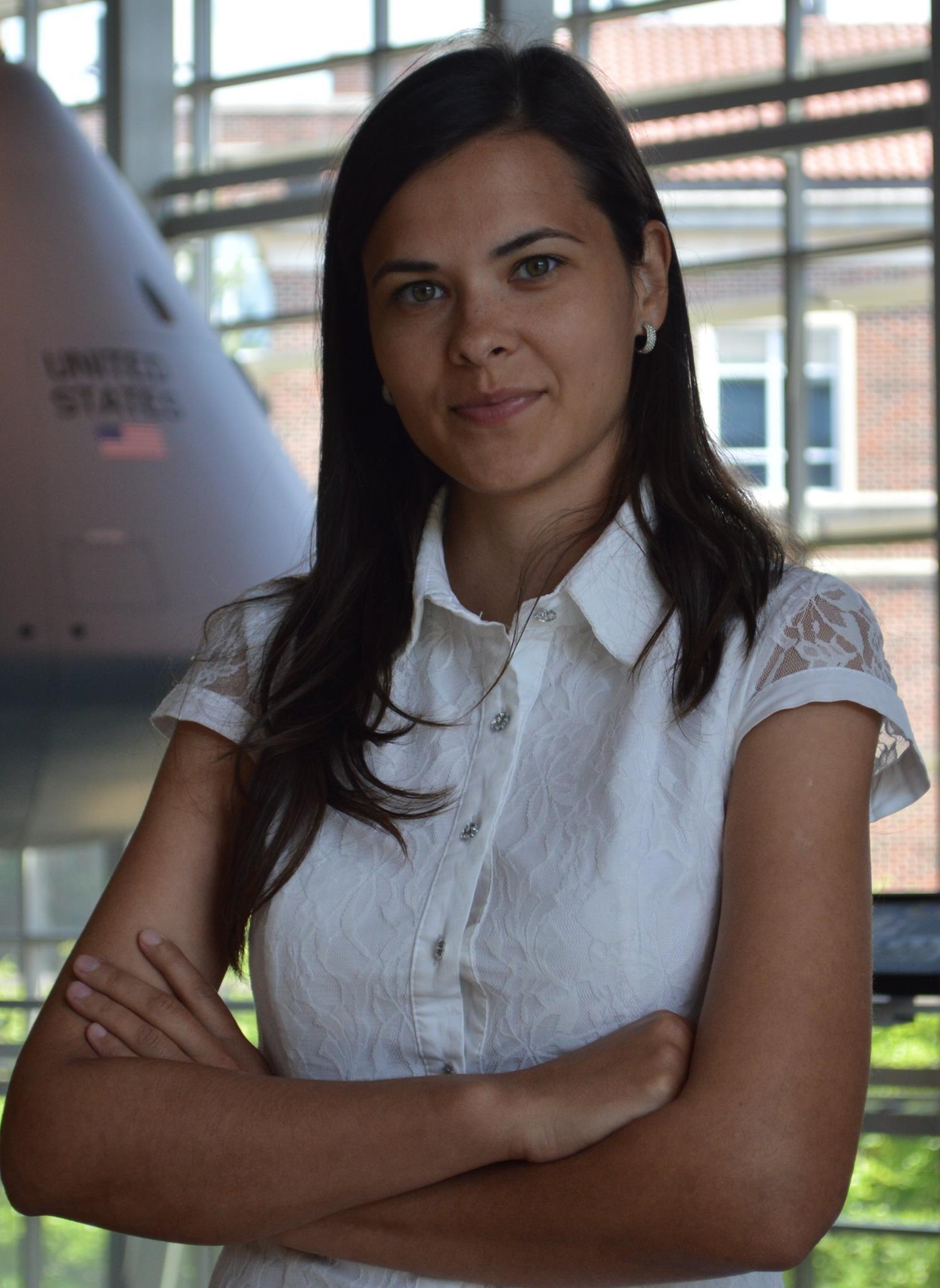
 Ivan OSTROUMOV, DSc and PhD